
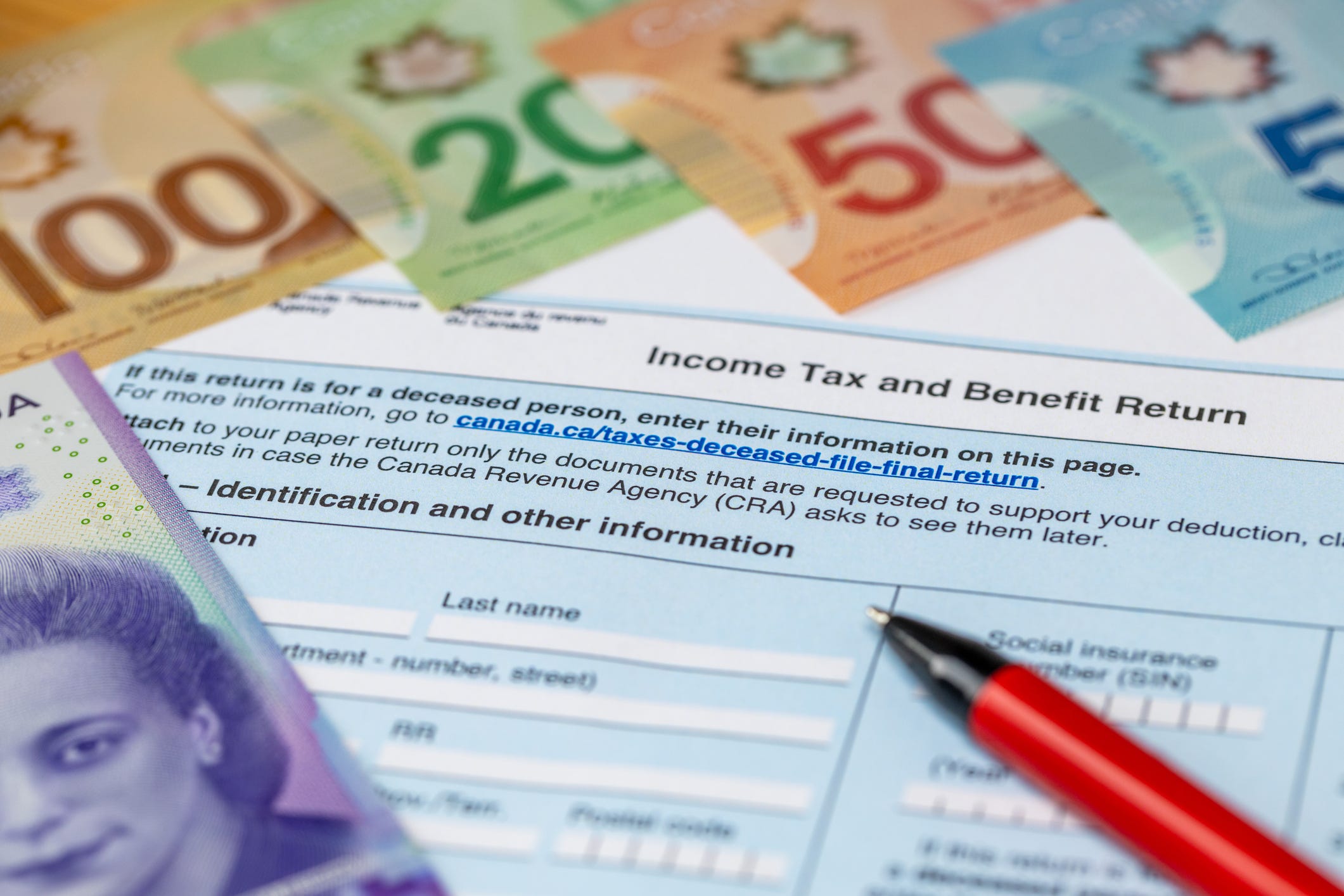
Filing a tax return in a new country can feel like opening a door without knowing what’s on the other side. As a newcomer myself, I remember how unfamiliar everything felt, not because the rules were complicated or because I didn’t understand what I was doing, but because the entire process was so different from what I was used to.
In fact, growing up and living in Nigeria almost meant you had never filed a tax return. So arriving in Canada and suddenly being expected to interact with a structured, connected tax system was a major shift.
Looking back, here are the things that surprised me the most.
1. Filing Taxes Is Technically Optional, Until It Isn’t
Contrary to what you may have heard, the CRA does not mandate every Canadian to file a tax return every single year. What they do, however, is strongly advise you to, because not filing can mean missing out on benefits you are entitled to.
As a permanent resident of Canada, you may be eligible for benefits such as the GST/HST credit, Climate Action Incentive (carbon rebate), and the Canada Child Benefit, depending on your situation. However, access to these benefits depends on one thing: having an active file with the CRA.
Without filing, the CRA does not recognize your eligibility and will simply hold on to those benefits until you do.
That said, let me be very clear.
If you earn income in a year, filing your tax return is mandatory. Failing to do so can result in penalties, interest, and in more serious cases, fines or legal consequences. You will also almost certainly lose access to benefits like the GST/HST credit, Climate Action payments, and the Canada Child Benefit.
2. The Refund
If you were born and raised in Canada, you may be wondering why receiving a refund surprised me.
In simple terms, the concept of a tax refund was foreign to me, not because I didn’t understand what it meant (I am a tax professional, after all), but because my home country did not have a robust system where taxpayers could accurately file returns and receive benefits owed to them, at least at the time of writing. I suspect this experience is shared by many immigrants reading this.
Having worked for only two months in the year, I didn’t expect a refund, especially since my taxes had already been withheld by my employer. To my surprise, the refund I received was exactly equal to the tax that had been deducted from my pay.
I later understood why. My total income for the year was below the Basic Personal Amount for 2022, meaning I was effectively considered a low-income earner for tax purposes.
So yes, depending on your situation, you can receive a refund even if taxes were already deducted from your pay.
The Myth of the "Magic Refund"

A lot of people approach tax season with excitement for no reason other than the expectation of a refund, often a hefty one. For some, they feel they have worked all year toward it, so why not expect something back? For others, the expectation exists simply because they believe that filing a tax return should naturally result in …
3. You Can Be a Tax Resident Even If You Arrived Late in the Year
Many newcomers assume they don’t need to file taxes because they arrived late in the year. This is wrong.
The CRA uses specific rules to determine tax residency, and in some cases, being in Canada for even a single day in a calendar year can put you in that position.
As mentioned earlier, not filing when required can lead to temporary or permanent loss of benefits. That is why it is important to understand these rules, or at the very least, seek advice from a tax professional.
4. You Can Do It Yourself
Yes, you can absolutely file your taxes yourself.
Through a system called NETFILE, the CRA authorizes various tax software providers that allow individuals to prepare and file their returns by answering a series of guided questions. This can often be done at little or no cost.
That said, I always tell people this. If your tax situation is even slightly complicated, or if you are unsure of what you are doing, consulting a tax professional is worth it.
It is far better to spend a few dollars getting it right than to spend much more later correcting mistakes caused by confusion or misinformation.
5. Filing Taxes Means Access to the Canadian System
This might have been the biggest surprise of all.
Filing tax returns is not just about compliance. It is your entry point into Canada’s financial and benefits system. It establishes your income, your residency, your eligibility for government programs, and your household status.
In fact, without a history of tax compliance, you may find it difficult to rent a home, access certain banking services, or qualify for credit facilities.
In many ways, filing taxes is a core part of building your life in Canada.
A Simple Lesson
Filing my first tax return didn’t just teach me about taxes. It taught me how the system works and gave me a sense of responsibility and belonging.
And that made every tax season after that feel a little less intimidating.